Uncoachable Kids Become Unemployable Adults
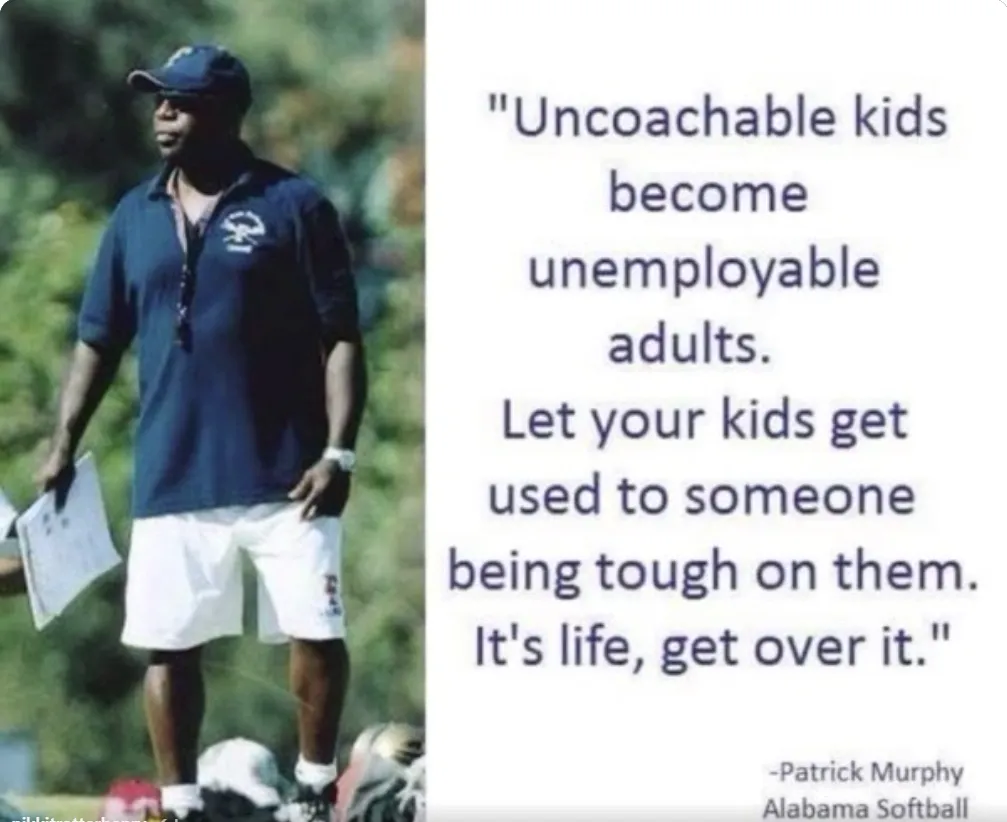
Coach Patrick Murphy of Alabama softball did not sugarcoat it:
"Uncoachable kids become unemployable adults. Let your kids get used to somebody being tough on them. It's life, get over it."
Blunt? Absolutely. But if you have ever sat in the bleachers watching your child roll their eyes at a coach, argue a call, or shut down the moment someone corrects them, you felt that quote land somewhere deep.
This is not about being harsh with our kids. It is not about running a military operation in your living room or stripping them of their joy. It is about something far more important: preparing them for a world that will not bend to accommodate their feelings.
The world will coach them. The question is whether they are ready to be coached.
What Coachability Actually Means
We throw around words like 'resilience' and 'grit' a lot in the athletic family world. But coachability is the foundation underneath all of it.
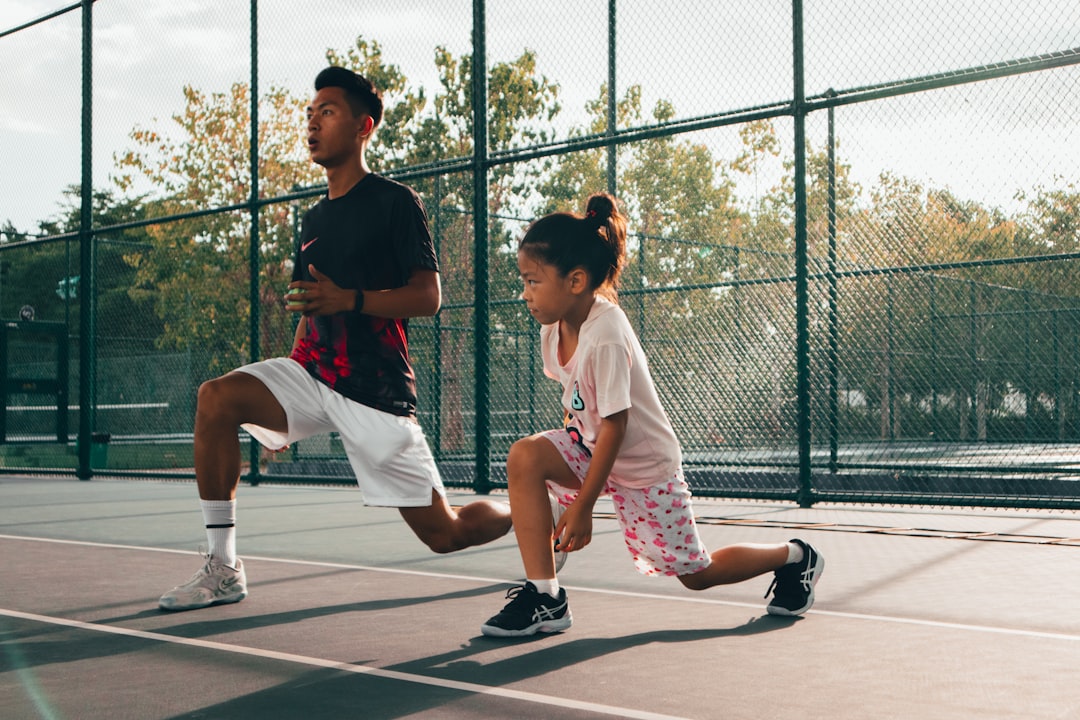
Coachability is the willingness to receive feedback, adjust your behavior, and improve — even when the feedback stings. In the athletic world, it shows up as listening to a coach without shutting down. In the workplace, it shows up as responding to a performance review without getting defensive. In relationships, it shows up as hearing hard things from someone who loves you without making them pay for it.
Research in organizational psychology consistently shows that employees rated as coachable tend to earn faster promotions, adapt more quickly to change, and are viewed as higher performers overall. A study out of the Journal of Applied Psychology found that openness to feedback — one of coachability's core components — was one of the strongest predictors of long-term career success, even above raw talent or technical skill.
Read that again: more than talent. More than skill.
That means a child who learns to take correction at 10 years old has a head start on a child who learns it at 30. And some never learn it at all.
Why Some Kids Push Back — and What We Might Be Missing
Before we point fingers at the kids, let's be real with ourselves for a second, Mama.
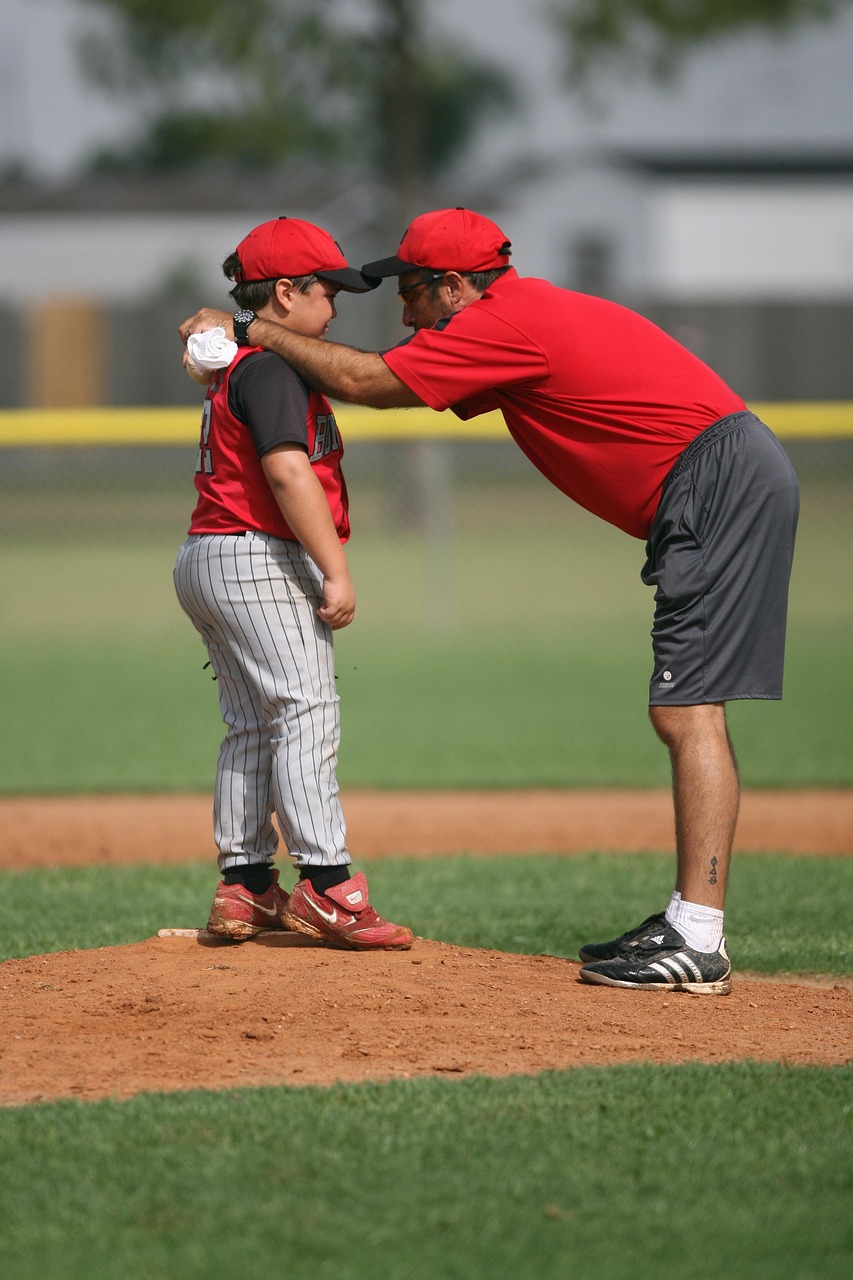
Sometimes uncoachable kids are made, not born. When we rush to fix every uncomfortable moment, argue with coaches on our child's behalf, or tell them the world is wrong every time they get corrected — we teach them something. We teach them that feedback is an attack. That correction is disrespect. That they should never have to sit with the discomfort of being told to do better.
Then we send them out into a world that has absolutely no interest in managing their emotions.
Dr. Carol Dweck, Stanford psychologist and author of Mindset, spent decades studying why some kids crumble under correction while others grow from it. Her research showed that children raised with a fixed mindset — the belief that their talent is static — tend to avoid challenges and shut down when criticized. Children raised with a growth mindset — the belief that ability develops through effort — see correction as information, not condemnation.
The difference? A lot of it comes from how the adults around them respond to failure and feedback.
If we celebrate only the wins and treat every loss like a crisis, we raise fixed mindset kids. If we say 'What did you learn from that?' after a hard practice, we raise coachable ones.
Tough Is Not the Same as Mean — Let's Clear That Up
Now, some of you are thinking: 'But MamaHen, I don't want my child to be broken down by some coach with a bad attitude.'
I hear you. And I agree — there is a clear line between tough coaching and cruelty. We talked about that in detail in 'Our House: Built on Sports and Reality.' No coach should use correction as a tool for humiliation. No adult in authority over your child should make them feel worthless as a human being.
But there is a wide, wide middle ground between verbal abuse and bubble wrapping.
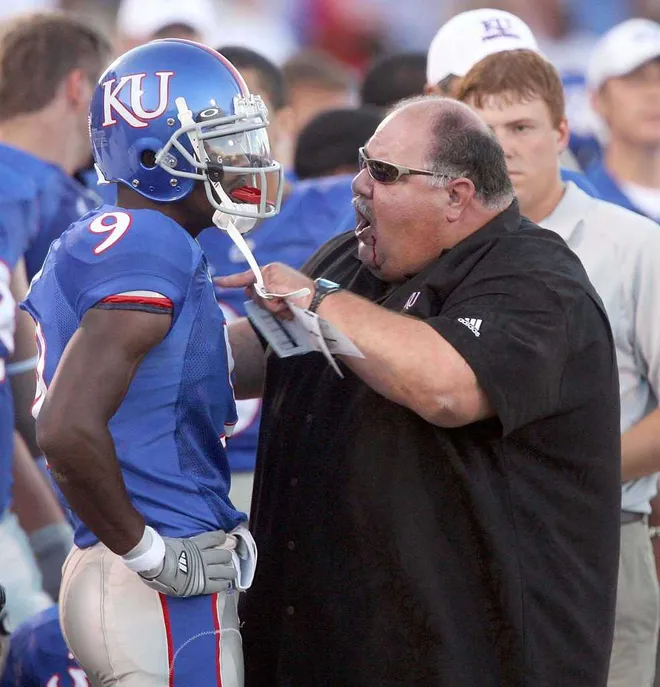
"Toughness says: you can do better, and I'm not going to let you quit on yourself. Cruelty says: I'm trying to shame you. Know the difference."
Good coaches know that difference. Good parents know it too. And raising coachable kids does not require you to be cold or harsh. It requires you to hold the line when it is tempting to rescue. It requires you to let a coach be a coach. It requires you to let natural consequences teach what words sometimes cannot.
Michigan State sports psychologist Dr. Daniel Gould has studied elite youth athletes for decades. He found that the athletes who performed best under pressure were the ones whose parents trusted the process, stayed in their lane at practice, and supported — not undermined — the coach's authority at home.
When a parent argues every correction in front of their child, they are not protecting them. They are training them to fight authority every time it shows up.
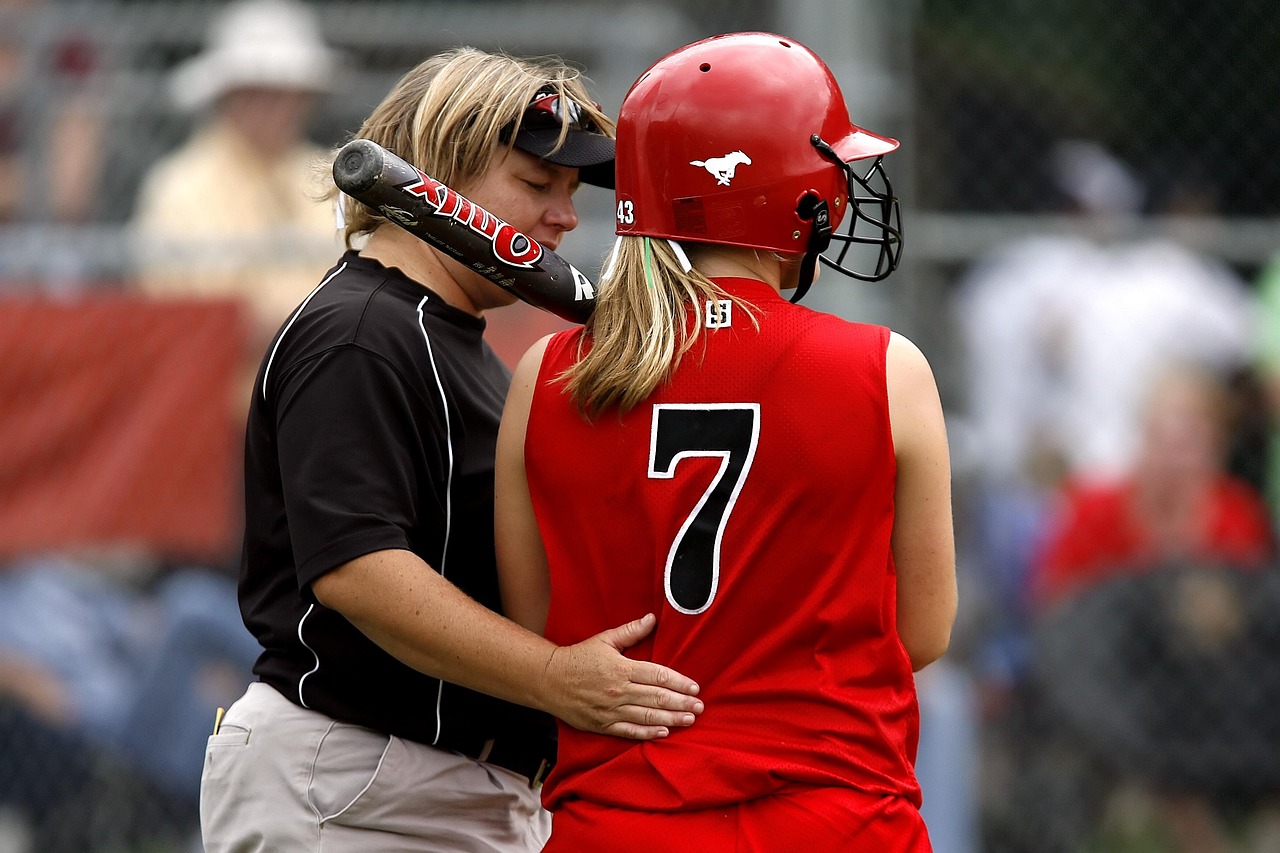
Real Talk: What This Looks Like in the Real World
Let me give you a few pictures of where this lands after the sports career is over.
The 24-year-old who gets fired from her second job in a year because she cannot handle her manager giving her direction. She posts about it on Instagram about how toxic the workplace is. Meanwhile, her former teammates — the ones who learned to take a coach's correction — are getting promoted.
The college student who switches majors three times not because of passion or calling, but because every professor who gave him critical feedback felt like a personal attack. He eventually drops out. Not because he lacked ability. Because he never built the muscle to be corrected without quitting.
The promising employee who gets passed over for a leadership role because her supervisor writes in her review that she is 'resistant to feedback.' Not that she lacks intelligence. Not that her work is poor. That she will not be coached.
These are not hypothetical people. They are in our communities right now. And many of them were talented kids who simply never learned that being corrected is part of the deal.

What You Can Do at Home Starting This Week
You do not have to run your house like boot camp to raise a coachable kid. You just have to be intentional about a few things:
•Let 'try again' be a normal phrase. Not a punishment — just a fact. We try again. Always.
•Resist the rescue. When a coach corrects your child, zip your lips. Let the moment do its work.
•Don't re-litigate corrections at home. When they come home frustrated about a coach's criticism, listen — then redirect. 'What are you going to do differently?' is more powerful than 'That coach is wrong.'
•Praise effort and response, not just results. 'I loved how you kept going after that correction' teaches them something wins and trophies do not.
•Teach them the phrase: 'Yes, Coach. I will work on that.' Simple. Powerful. Career-saving.
•Model it yourself. Let your kids watch you take feedback at work, in a relationship, or in a conversation without falling apart. You are their first example.
•Use sports as the classroom, not just the arena. What happens on the field is practice for what happens in the world. Treat it that way.
None of these require you to be a different parent. They just require you to be a more intentional one.

The Stakes Are Higher Than We Realize
Here is the honest truth that Coach Murphy's quote points to: the stakes of coachability are not just about sports. They are about whether your child will be able to hold a job, maintain a relationship, function on a team, and keep growing when life pushes back.
LinkedIn's Global Talent Trends report has noted for several years running that adaptability and openness to feedback are among the top traits employers struggle to find — and the top traits that predict long-term retention. In a world changing as fast as ours, the ability to learn and adjust is worth more than almost any specific skill.
Think about what that means for our kids.
The athlete who can take correction at 14 is being trained for something that will matter at 40. Every 'try again' from a coach is a deposit into a resilience account they will draw from for the rest of their lives. Every time we let them sit with discomfort instead of rushing in to fix it, we are strengthening a muscle that will carry them further than their jump shot or their 40-yard dash ever will.
Final Thought From MamaHen
Your child does not have to love being corrected. Nobody does. What they need is to learn how to receive it, absorb it, and use it.
A coachable kid becomes a coachable employee, a coachable spouse, a coachable leader. Coachable people keep growing. They stay humble. They make teams better. And when life inevitably gets hard — because it will — they do not fold. They adjust.
So yes, let your kids get used to somebody being tough on them. Somebody who believes in them enough to push them past comfortable. Somebody who refuses to let them quit on themselves.
"That is not cruelty. That is preparation. And preparation is one of the greatest things we can give our children."
I am rooting for your family — and for your athlete. Let's raise them ready.
— MamaHen


