
Game Day Etiquette: Be Everyone’s Favorite Fan
Sports, Game Day Etiquette
Game Day Etiquette: How to Be Everyone’s Favorite Fan
We all know that fan—the one people complain about on the drive home, the one who turns a great game into a long story about bad behavior. The good news? You don’t have to be that person. Whether you’re in a packed stadium, a noisy sports bar, or a cozy living room, a little game day etiquette can be the difference between being tolerated and being the person everyone hopes sits next to them. Think of this as your simple, practical playbook for being a fun, respectful fan—no matter who walks away with the win.
Game Day Done Right
Enjoy the energy without losing your manners
Arriving Prepared: Respect Starts Before Kickoff
Good game day etiquette starts long before the first whistle. It begins with planning. If you’re going to a stadium, check your ticket details, bag policies, and parking situation in advance. Showing up late, lost, or unprepared doesn’t just stress you out—it can inconvenience the people you’re with and the fans around you as you squeeze past them mid-play.
Aim to arrive early enough to find your seat, grab food or drinks, and use the restroom before the game starts. This simple habit instantly makes you a more considerate fan: fewer interruptions for others, more time for you to soak in the atmosphere. If you’re heading to a friend’s house, ask what time they want people to arrive and whether you can bring anything. Showing up with snacks, drinks, or ice is a subtle but powerful way to say, “Thanks for hosting.”
💡 Pro Tip: Screenshot your ticket, parking pass, and directions before you leave. Fumbling with apps at the gate slows everyone down.
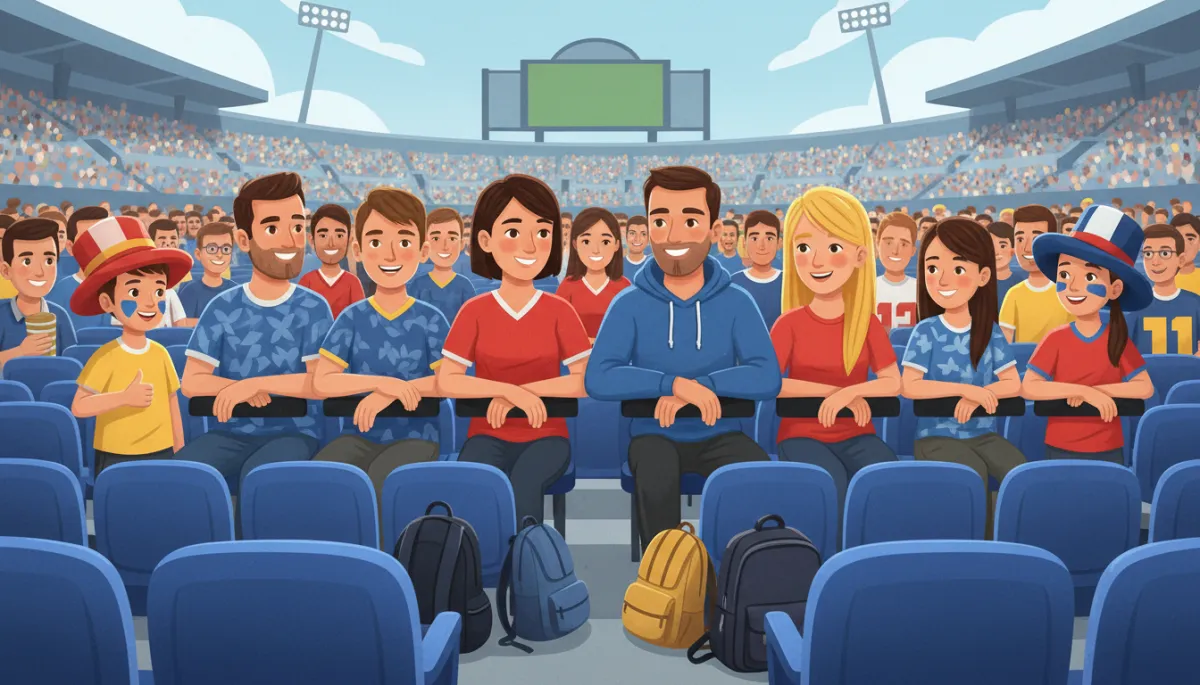
Seating Smarts: Sharing Space Like a Pro
Once you’re in your seat, remember that stadium rows, bar stools, and couches all have one thing in common: they’re shared spaces. Game day etiquette means being aware of your body, your belongings, and your volume. Keep bags under your seat or neatly at your feet, not spilling into the aisle or the legroom of the person behind you. If you’re tall, try not to lean back too far; if you’re wearing a hat, consider taking it off if you notice someone struggling to see around you.
Standing and cheering is part of the fun, but timing matters. Jumping up during a crucial play is expected; standing for long stretches during quieter moments can frustrate people behind you. When you need to leave your seat, choose breaks in the action—timeouts, halftime, or between innings—and always turn to face the field or screen while you slide past others. A quick “Excuse me” and “Thanks” go a long way toward keeping the mood positive.
Thoughtful seating habits keep tight rows comfortable for an entire game.
Cheering, Not Cheating: Finding the Right Volume and Vibe
Passion is part of sports, and cheering is absolutely encouraged. But there is a difference between enthusiastic and obnoxious. Game day etiquette is about reading the room. Yell, clap, and chant with the crowd, but avoid screaming directly into someone’s ear or pounding on the back of their seat. If you’re watching at home or at a bar, remember that not everyone wants to hear a running commentary at top volume for three hours straight.
Also, know when to dial it back. Injuries, national anthems, and moments of silence are times to show respect, not rivalry. Booing referees or officials is common, but keep it about the call, not personal attacks. Chanting with your fellow fans is fun; screaming insults at individual players or opposing fans crosses the line from spirited to toxic. If a kid is sitting nearby, that’s your reminder to keep language and gestures reasonably clean.
📌 Key Takeaway: You can be loud without being rude. Aim for “electric atmosphere,” not “everyone’s headache.”
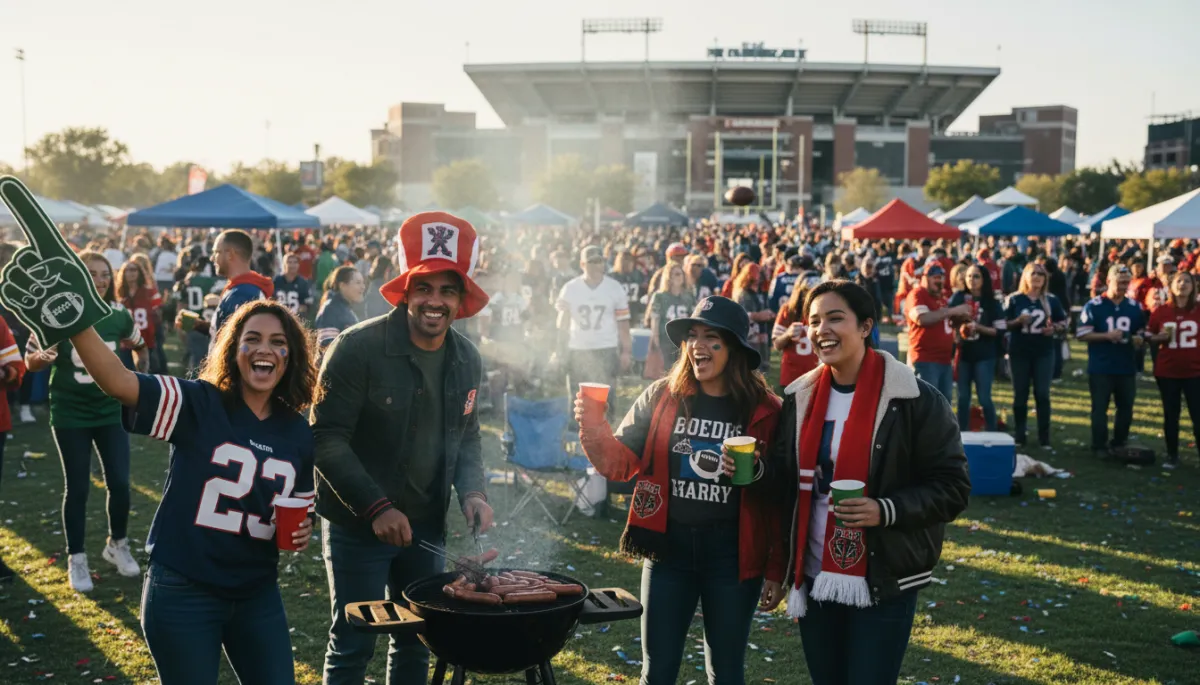
Food, Drinks, and Tailgates: Enjoy Without Overdoing It
Food and drinks are a huge part of game day, from stadium hot dogs to elaborate tailgates. The etiquette here is simple: enjoy yourself, but don’t let your consumption become everyone else’s problem. If you’re drinking alcohol, pace yourself. Slurred chants, spilled beers, and loud arguments are almost always the result of one too many. Know your limits and respect venue rules about alcohol, glass containers, and grilling areas.
Cleanliness matters, too. Use trash cans, recycling bins, and designated disposal spots. Leaving cans, cups, and food containers under your seat or all over your friend’s living room is a fast way to earn an unspoken “never again” from hosts and venue staff alike. If you’re at a potluck watch party, label your dish if it contains common allergens and don’t monopolize the best snacks—take a portion, then let others have a turn before you go back for seconds.
Phone Etiquette: Capture Memories, Not Annoyance
Phones are part of modern game day culture—posting to social media, checking fantasy scores, or recording big moments. But your screen should never become more disruptive than the game itself. If you’re taking photos or videos, be mindful of how high you hold your phone. Blocking someone’s view with your screen for an entire drive or possession is a guaranteed way to irritate people behind you. Snap your shot, then bring your phone down quickly.
Also, consider volume. If you’re watching clips, checking replays, or scrolling through commentary, use headphones or mute your device. Competing audio sources—TV broadcast, arena announcements, and someone’s phone speaker—create chaos. And finally, avoid live-streaming entire games from your seat. It’s often against venue policies, and it pulls your attention away from the actual experience you paid to enjoy.
Rivalries and Respect: Keeping It Fun, Not Personal
One of the best parts of sports is the rivalry: friendly trash talk, bold predictions, and bragging rights. Game day etiquette doesn’t mean you have to be quiet or neutral; it just asks you to keep things in bounds. Teasing a friend about their team’s record is part of the fun. Mocking them personally, bringing up unrelated topics, or refusing to let a single play go for the next three hours is not. If someone clearly isn’t enjoying the banter, ease off—your goal is shared fun, not domination.
The same goes for strangers in opposing jerseys. You don’t have to cheer for their team, but you also don’t need to heckle them all game long. A little playful back-and-forth is fine; targeted harassment is not. If tensions start to rise, be the person who steps back, not the one who escalates. Nothing ends a great game day faster than a shouting match—or worse, security getting involved—over a score you can’t control anyway.
⚠️ Warning: If your “joke” needs “Relax, I’m just kidding” after you say it, it probably crossed a line.
Watching at Home: Being a Gracious Guest (and Host)
Not every game day happens in a stadium. Many of the same etiquette rules apply when you’re watching at home. If you’re a guest, respect the household: take off your shoes if that’s the norm, ask where to put your drink, and don’t rearrange furniture without checking. Don’t assume you control the remote, the volume, or the playlist—those decisions belong to the host unless they say otherwise. Offer to help with setup or cleanup, even if it’s just clearing plates or taking out a bag of trash at the end of the night.
If you’re hosting, set expectations clearly. Let people know what time kickoff is, where they can sit, and whether kids or pets are welcome. Have a spot for coats and bags so your living room doesn’t become an obstacle course. Provide a mix of snacks and at least one non-alcoholic drink option. And remember, as the host, your energy sets the tone. If you stay calm and light-hearted—even during a tough loss—your guests are more likely to do the same.
Leaving Gracefully: How to End Game Day on a High Note
When the final whistle blows, game day etiquette doesn’t just vanish. Leaving a stadium, bar, or home respectfully is part of the experience. Don’t shove or push in crowded exits; everyone is trying to get out, and a few extra minutes won’t change the score. If your team lost, resist the urge to sulk loudly, pick fights, or blame other fans. If your team won, celebrate without gloating in people’s faces—especially if you’re in mixed-company or an away venue.
At a house party, don’t disappear without a word. Thank your host, offer a quick hand with any obvious cleanup, and gather your belongings so they aren’t chasing down your jacket or leftover dip the next day. A simple follow-up text—“Thanks for having us, that was a great game”—is a small touch that leaves a lasting positive impression and usually earns you an invite back for the next big matchup.
The Heart of Game Day Etiquette: Shared Enjoyment
When you strip it all back, game day etiquette isn’t about a long list of rigid rules. It’s about one simple idea: everyone is here to enjoy the same event. The more you keep that in mind, the easier your choices become. Will this comment, action, or habit make the experience better or worse for the people around me? If it adds to the energy, the laughter, and the sense of community, you’re probably on the right track. If it distracts, annoys, or disrespects others, it’s a sign to adjust.
You don’t need to be a perfect fan, just a thoughtful one. Arrive prepared, share space kindly, cheer with passion but not cruelty, and treat hosts, staff, and fellow fans with basic courtesy. Do that consistently, and you’ll quickly become the person people want to sit next to, invite over, and celebrate with—no matter which team comes out on top.
💡 Pro Tip: Don’t show up in the other team’s colors unless you’re genuinely supporting them—and never wear a rival jersey just to provoke people.
Keep the Conversation Going: Connect Beyond Game Day
If you enjoyed these game day etiquette tips and want more real-world advice on how to be a better fan, friend, and guest, make sure you stay connected beyond the final whistle.
Join, like, and follow on TikTok: for quick, relatable etiquette breakdowns, game day do’s and don’ts, and real-time reactions you can actually use at your next watch party. Follow me on Ti
Schedule a consultation if you’d like personalized guidance—whether you’re hosting a big game event, navigating tricky social dynamics, or just want to sharpen your everyday etiquette skills.
Tap the links on this page to follow along and book a time that works for you—so your next game day (and every day) feels smoother, more confident, and a lot more fun.
Printable Game Day Etiquette Checklist
Use this quick checklist as a downloadable, printable guide so you can run through your game day prep in minutes.
📌 How to Use This Checklist: Print it, save it to your phone, or share it with your group chat before heading out so everyone’s on the same page.
Before You Leave Home
☐ Confirm the basics: game time, location, and who you’re going with.
☐ Check tickets and passes: screenshot or download tickets, parking passes, and directions.
☐ Review venue rules: bag policy, prohibited items, parking, and tailgate guidelines.
☐ Plan your arrival: aim to get there early enough for food, restroom, and finding seats before kickoff.
☐ Ask your host (if applicable): what time to arrive and whether you can bring snacks, drinks, or ice.
Seating & Shared Space
☐ Keep bags and jackets under your seat or neatly at your feet—never blocking aisles or legroom.
☐ Be aware of your height, hat, and posture so you’re not blocking anyone’s view.
☐ Stand and cheer during big moments—but avoid standing for long stretches during quiet plays.
☐ Enter and exit rows during breaks in the action and always say “Excuse me” and “Thanks.”
Cheering & Crowd Energy
☐ Match the crowd energy—cheer, clap, and chant without screaming into someone’s ear or pounding seats.
☐ Stay respectful during anthems, injuries, and moments of silence; rivalry pauses for these moments.
☐ Keep criticism about the call or play—never personal attacks on players, officials, or other fans.
☐ Watch your language and gestures, especially if kids or families are nearby.
Food, Drinks & Tailgating
☐ Pace your drinking—avoid becoming the person with slurred chants and spilled drinks.
☐ Follow all rules on alcohol, glass containers, grills, and tailgate areas.
☐ Use trash and recycling bins; don’t leave cans, cups, or plates under seats or on tables.
☐ At potlucks, label dishes with common allergens and don’t hog the best snacks—let others go first.
Phone & Social Media Etiquette
☐ Take photos and videos quickly—don’t block someone’s view with your phone for entire plays.
☐ Mute your phone or use headphones for clips, replays, and social media scrolling.
☐ Avoid live-streaming the whole game from your seat—respect venue rules and stay present.
Rivalries, Guests & Hosts
☐ Keep trash talk playful and about the teams—never about someone’s identity or personal life.
☐ If someone stops laughing or seems uncomfortable, ease up on the jokes immediately.
☐ Respect fans in opposing jerseys—no targeted heckling or harassment all game long.
☐ As a guest at someone’s home: follow house norms, ask before moving furniture, and don’t assume remote control privileges.
☐ As a host: communicate arrival time, seating options, kid/pet expectations, and offer non-alcoholic drinks.
End of Game & Heading Home
☐ Exit calmly—no shoving or pushing in crowds; everyone is leaving together.
☐ If your team loses, avoid loud sulking, blaming, or picking fights with other fans.
☐ If your team wins, celebrate without gloating in the faces of opposing fans or friends.
☐ At a house party, thank your host, grab all your belongings, and offer to help with obvious cleanup.
☐ Send a quick follow-up text: “Thanks for having us—great game!” to leave a positive final impression.
💡 Pro Tip: Before every game, glance down this checklist and ask yourself one question: “Am I making this experience better for the people around me?” If the answer is yes, you’re already winning—no matter the score.
Join the MamaHen Community for More Support
If you’re a parent or caregiver who loves cheering from the sidelines and wants more tools, encouragement, and real-talk support, you don’t have to figure it all out alone. The MamaHen community is here for you beyond game day.
Join, like, and follow on TikTok: Get everyday etiquette tips, parenting insights, and game day guidance.
Visit MamaHen.org: Explore resources, stories, and tools created to help you navigate real-life moments—from the bleachers to the carpool line.
Join our online community: Connect with other parents who get it inside the MamaHen Parent Community. Share wins, ask questions, and find support any time you need it.
📌 Key Takeaway: Game day is just one chapter in your parenting story. Stay connected with MamaHen.org, follow @mamahen, and join our online community so you’ve always got a supportive flock behind you.


